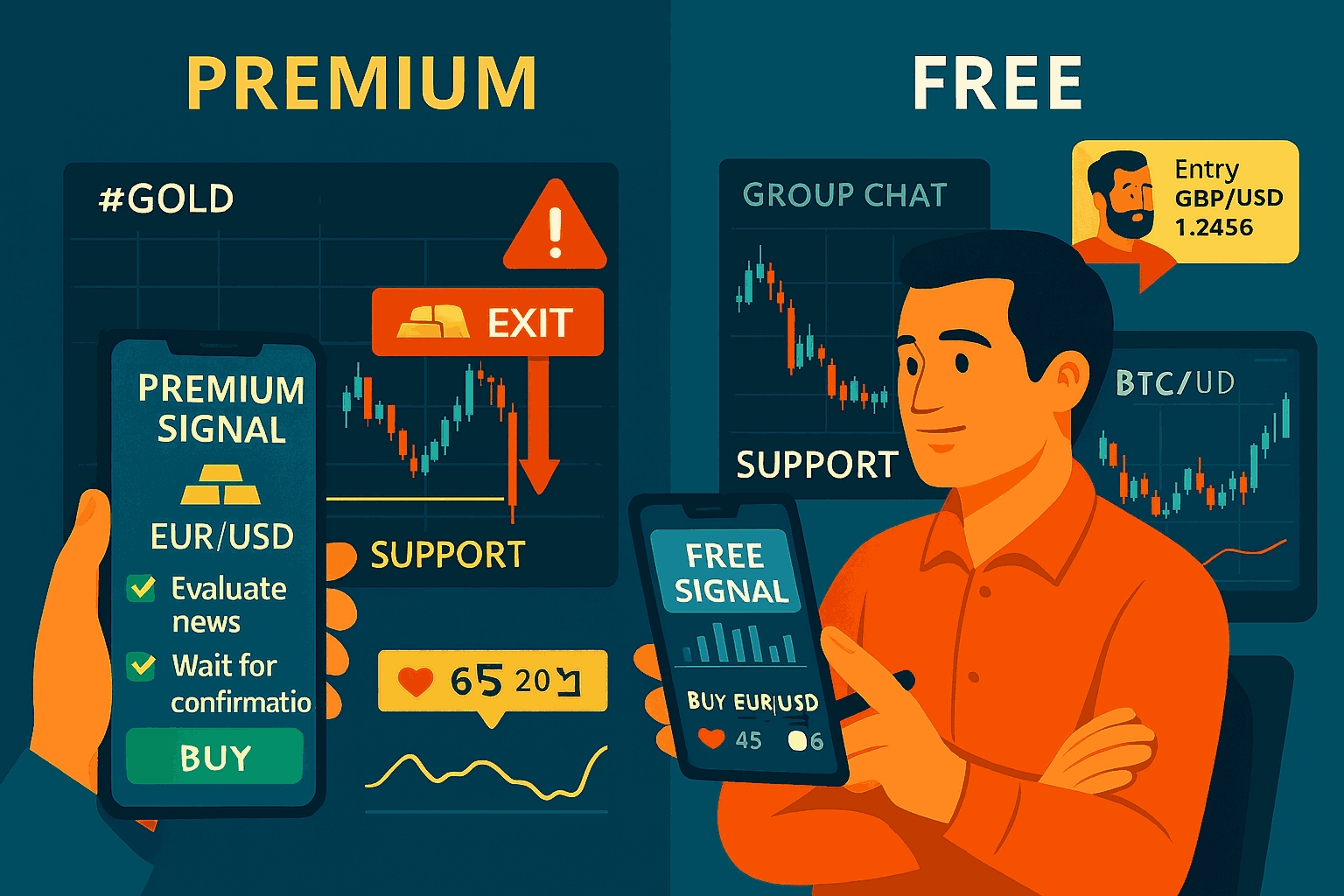
Paid vs free signal providers present a common dilemma for Forex traders. Each option comes with distinct advantages and challenges, and understanding these differences is crucial for making informed trading decisions. By carefully evaluating accuracy, transparency, risk management, and support, traders can determine which type of provider best aligns with their goals and trading style.
Advantages of Paid Signal Providers
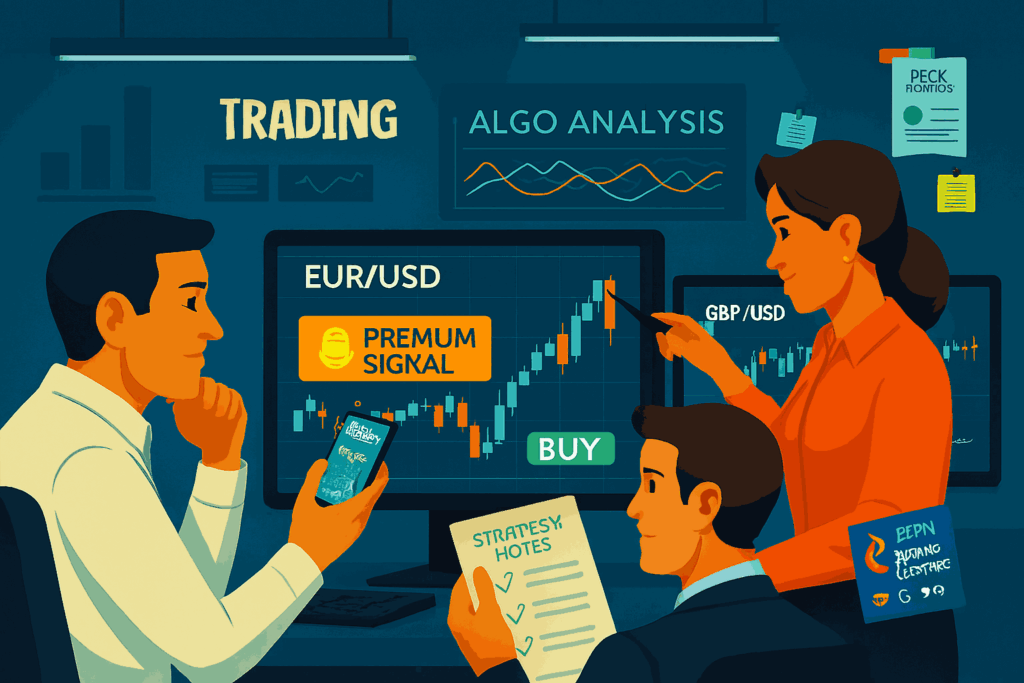
Paid signal services are designed to offer consistent, high-quality trading guidance, often backed by professional analysis, proprietary algorithms, or expert traders. Key benefits include:
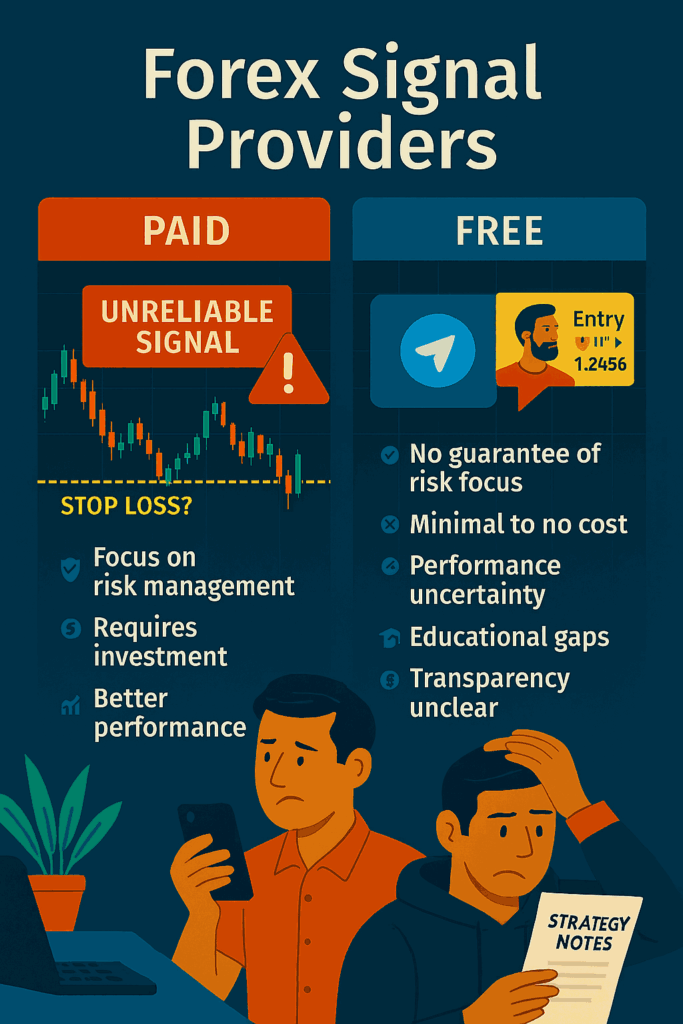
- Higher Accuracy and Reliability – Paid providers typically invest in research, back-testing, and technology to generate signals with a higher probability of success.
- Risk Management Guidance – Many paid services provide detailed stop-loss, take-profit, and position-sizing recommendations, helping traders manage risk effectively.
- Transparency and Reporting – Reputable paid providers often share verified historical performance, methodology, and real-time alerts, allowing traders to assess credibility.
- Customer Support and Educational Resources – Paid services frequently include access to tutorials, webinars, and responsive support teams to enhance trader understanding and confidence.
Advantages of Free Signal Providers
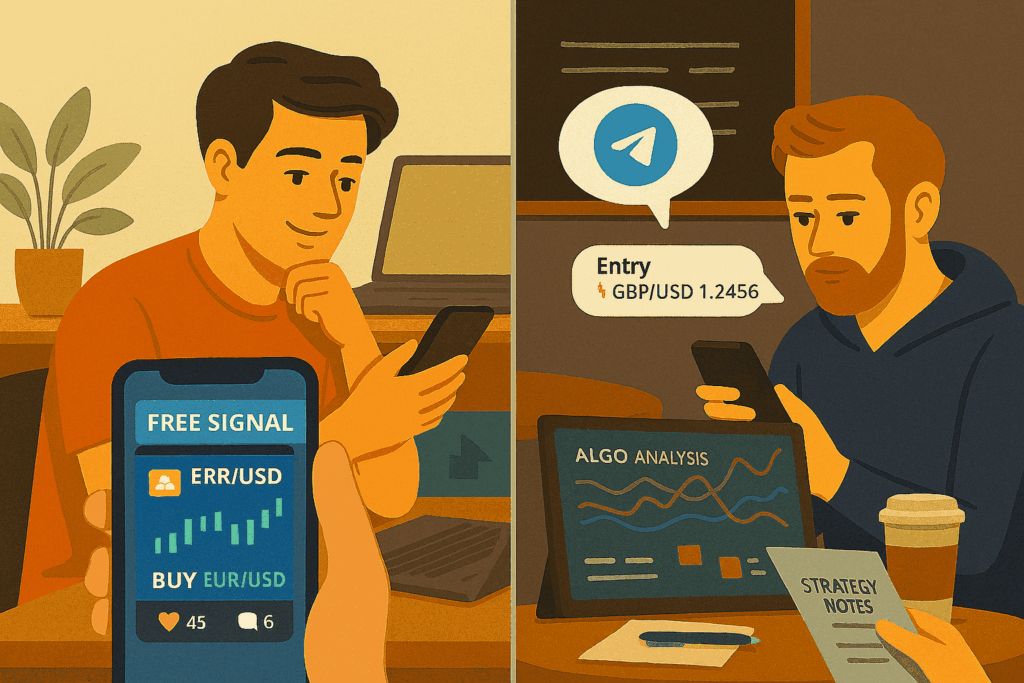
Free signal services can be appealing, particularly for beginners or traders with limited capital. Key benefits include:
- Zero Cost – The most obvious advantage is that traders can access signals without paying a subscription fee, reducing financial risk.
- Accessibility – Free signals are widely available through forums, social media, or community platforms, making them easy to experiment with.
- Learning Opportunity – Traders can use free signals to learn how to interpret market movements, test strategies, and develop their own trading style.
Challenges of Free Signal Providers
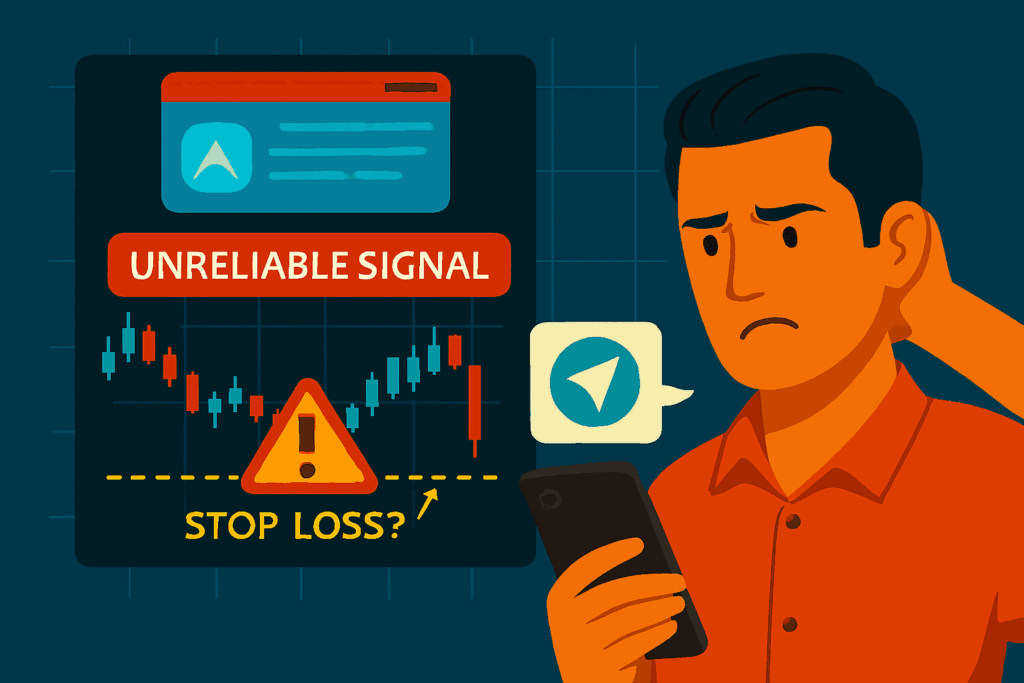
While free signals can be helpful, there are notable limitations:
- Inconsistent Quality – Accuracy and reliability vary widely; some signals may lack proper risk management.
- Limited Transparency – Many free services do not provide verified track records or explain the methodology behind the signals.
- Potential Delays – Free signals may be shared on public channels, resulting in delays that reduce trade effectiveness.
- No Support or Education – Traders are often left to interpret signals on their own, which can lead to mistakes and frustration.
How to Choose Between Paid and Free Signals
- Evaluate Your Trading Goals – If your focus is long-term profitability and capital preservation, paid signals with verified performance and risk management may be more suitable.
- Test Before Committing – Many paid providers offer trial periods or demo signals. Use these to compare performance against free options and assess whether the service justifies the cost.
- Consider Risk Management – Regardless of signal type, always use proper stop-loss and take-profit levels to protect capital. Treat free signals as learning tools rather than guaranteed trades.
- Analyze Historical Performance – Check track records for accuracy, win rates, and drawdowns. Paid providers with transparent reporting typically offer more reliable insights.
- Balance Cost and Value – High fees do not always guarantee better signals, while free signals may lack reliability. Consider whether the potential return justifies the cost or effort.
Practical Example
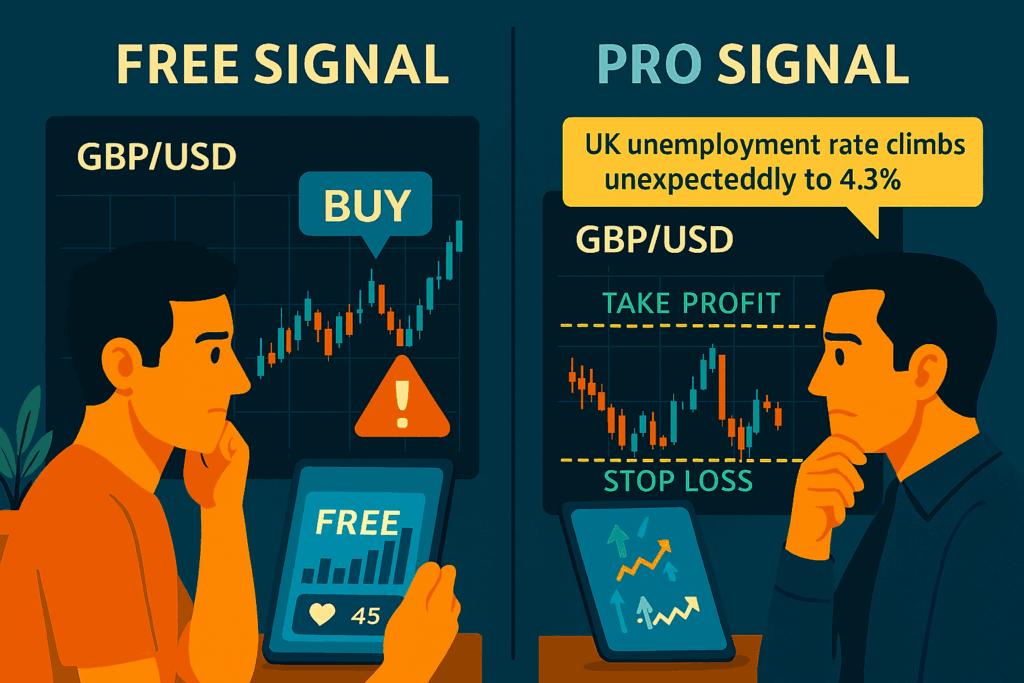
A trader testing a free GBP/USD signal may find that the signal aligns occasionally with profitable market moves but often fails to account for key economic releases. Conversely, a paid provider offers verified signals with stop-loss and take-profit guidance, plus insights on upcoming BoE and US Fed announcements. By combining paid signals with personal risk management, the trader can achieve more consistent results while still using free signals as supplementary learning tools.
Conclusion
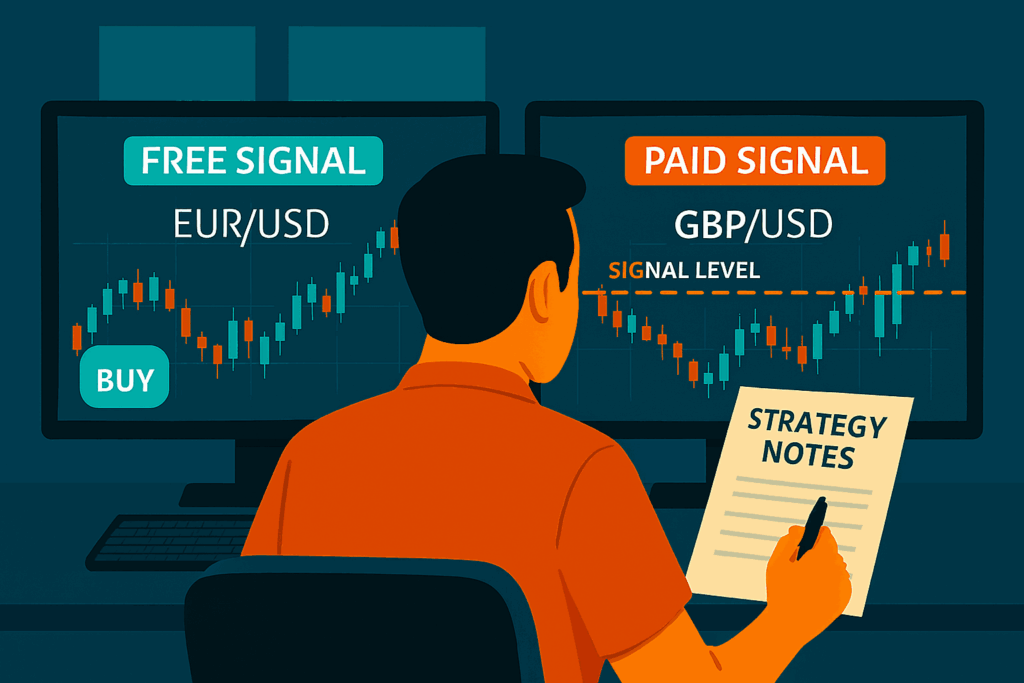
Both paid and free forex signal providers have their place in a trader’s toolkit. Paid services generally offer higher reliability, better risk management, and stronger support, while free signals are valuable for experimentation and learning. By understanding the advantages and limitations of each, traders can make informed choices, enhance decision-making, and improve the probability of consistent profitability in the forex market.