Choosing the right forex signal provider is crucial for traders seeking consistent profits and reliable guidance. With countless providers available, it’s easy to be influenced by marketing, testimonials, or superficial performance claims. To compare forex signal providers effectively and without bias, traders need a systematic approach that focuses on measurable performance, transparency, and compatibility with their trading style.
Why Objective Comparison Matters
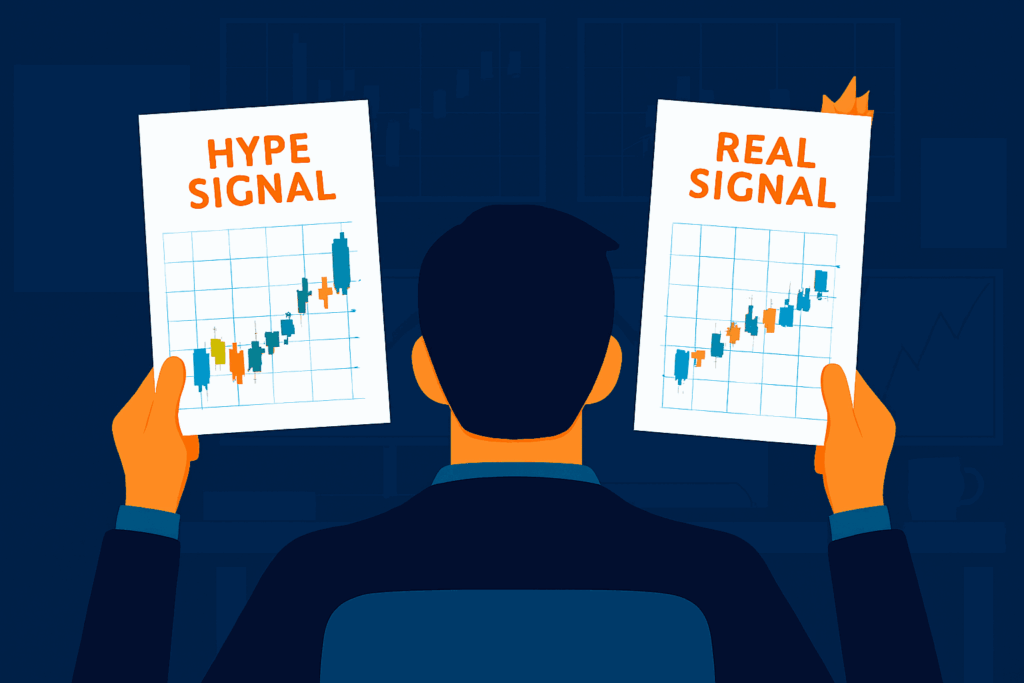
Many traders make decisions based on flashy results, advertising claims, or online reviews. While these factors can be informative, relying solely on them may lead to disappointment or losses. Objective comparison ensures that decisions are grounded in real performance data, risk management practices, and the provider’s credibility.
Key Criteria to Compare Forex Signal Providers
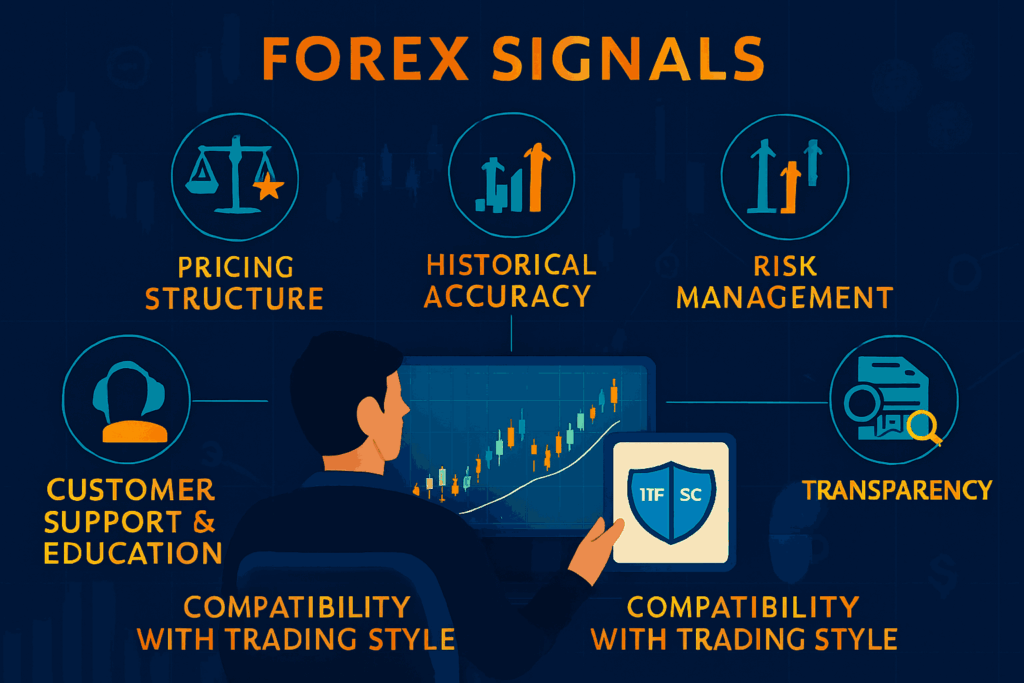
- Historical Accuracy
Examine the provider’s track record over months or years. Look for consistent win rates and verify results using independent third-party platforms or verified trading accounts. Beware of cherry-picked data showing only successful trades. - Risk Management Policies
A reliable provider should offer signals with recommended stop-loss and take-profit levels. Evaluate whether these signals maintain a favorable risk-reward ratio and protect capital during market volatility. - Transparency and Reporting
Providers who clearly display trade history, methodology, and performance metrics are more trustworthy. Transparency allows traders to understand how signals are generated and to assess their suitability. - Compatibility with Trading Style
Not all signals fit every trader’s approach. Some are suited for scalping, others for swing or position trading. Compare providers based on the trading style you prefer and ensure signal frequency and timing align with your schedule. - Customer Support and Education
A provider that offers educational resources, clear guidance, and responsive support can significantly enhance a trader’s experience. Evaluate how well the provider communicates updates, answers queries, and supports strategy improvement. - Pricing Structure
Compare costs relative to value offered. High fees do not always guarantee quality, while free signals may lack reliability. Focus on the balance between affordability and proven performance.
Step-by-Step Approach to an Unbiased Comparison
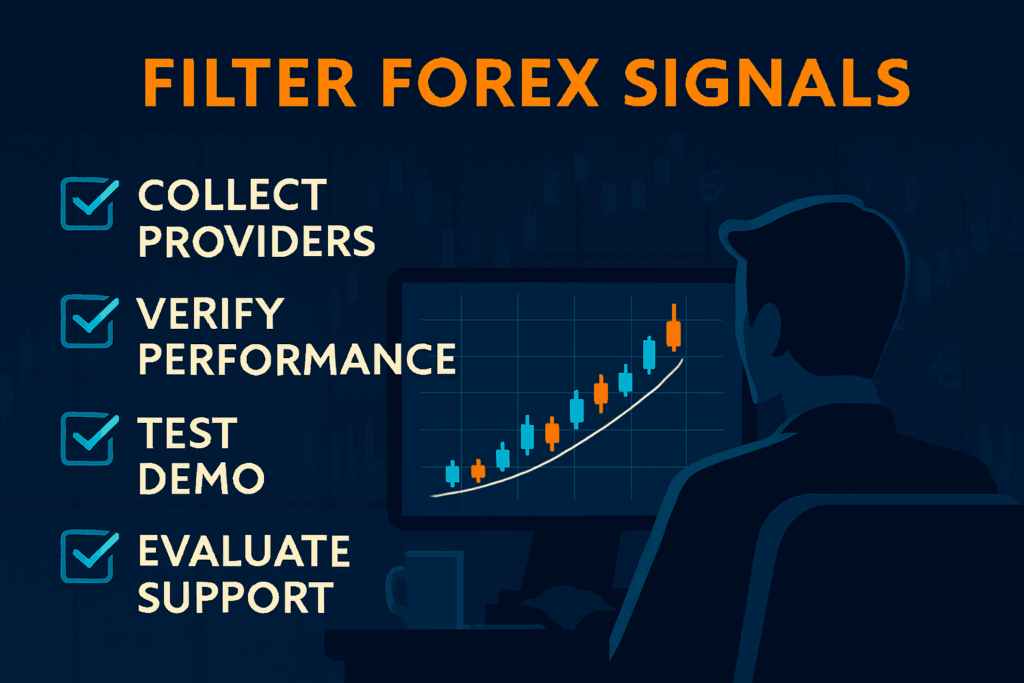
- Collect Multiple Providers – List potential signal providers that cater to your trading style. Include both paid and free options for evaluation.
- Verify Historical Performance – Check verified track records or demo account results. Note win rates, drawdowns, and risk-adjusted returns.
- Assess Risk Management Features – Ensure stop-loss recommendations, risk-reward ratios, and guidance are part of the signal strategy.
- Analyze Consistency – Look for stable performance over time rather than short-term spikes. Consistent performance reduces the likelihood of unexpected losses.
- Test with a Demo Account – Apply signals in a risk-free environment to see how well they align with your trading decisions and risk tolerance.
- Evaluate Support and Resources – Check for educational materials, responsiveness, and clarity in communication. Strong support improves confidence in using the signals effectively.
Practical Example
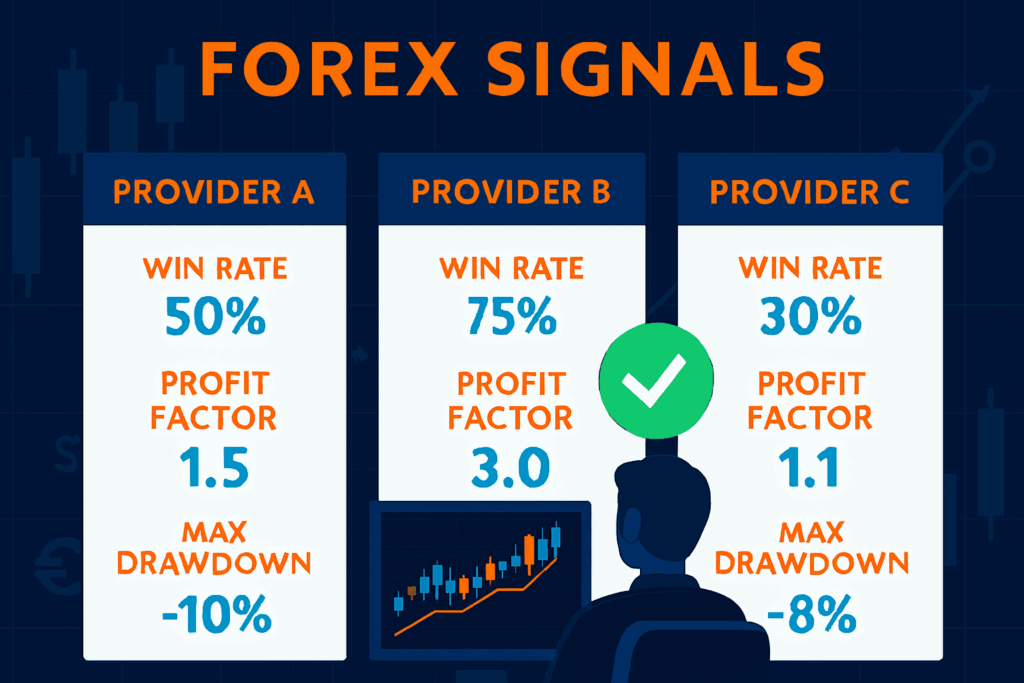
A trader compares three signal providers for EUR/USD swing trades. Provider A shows a 75% win rate but lacks transparency about methodology. Provider B has verified results with a 68% win rate and clear stop-loss/take-profit guidance. Provider C offers free signals with inconsistent performance. By objectively analyzing historical accuracy, risk management, and transparency, the trader chooses Provider B, aligning with personal risk tolerance and trading style.
Conclusion

Comparing forex signal providers without bias requires focusing on measurable metrics, transparency, and alignment with your trading style. By evaluating historical accuracy, risk management practices, educational support, and pricing, traders can make informed decisions and select providers that genuinely enhance their trading performance.
Objective comparison reduces emotional bias, prevents overreliance on marketing hype, and ensures signals are a valuable part of a sustainable trading strategy. Consistently applying this approach can improve trade outcomes, manage risk, and support long-term profitability in the dynamic forex market.