
Scalping in forex is a trading style focused on capturing small, frequent price movements within a short time frame. Scalping signals, when used effectively, can help traders identify high-probability entry and exit points, allowing them to maximize quick profits while minimizing exposure. Understanding how to interpret these signals and apply them during active trading sessions is key to successful scalping.
What Are Scalping Signals?
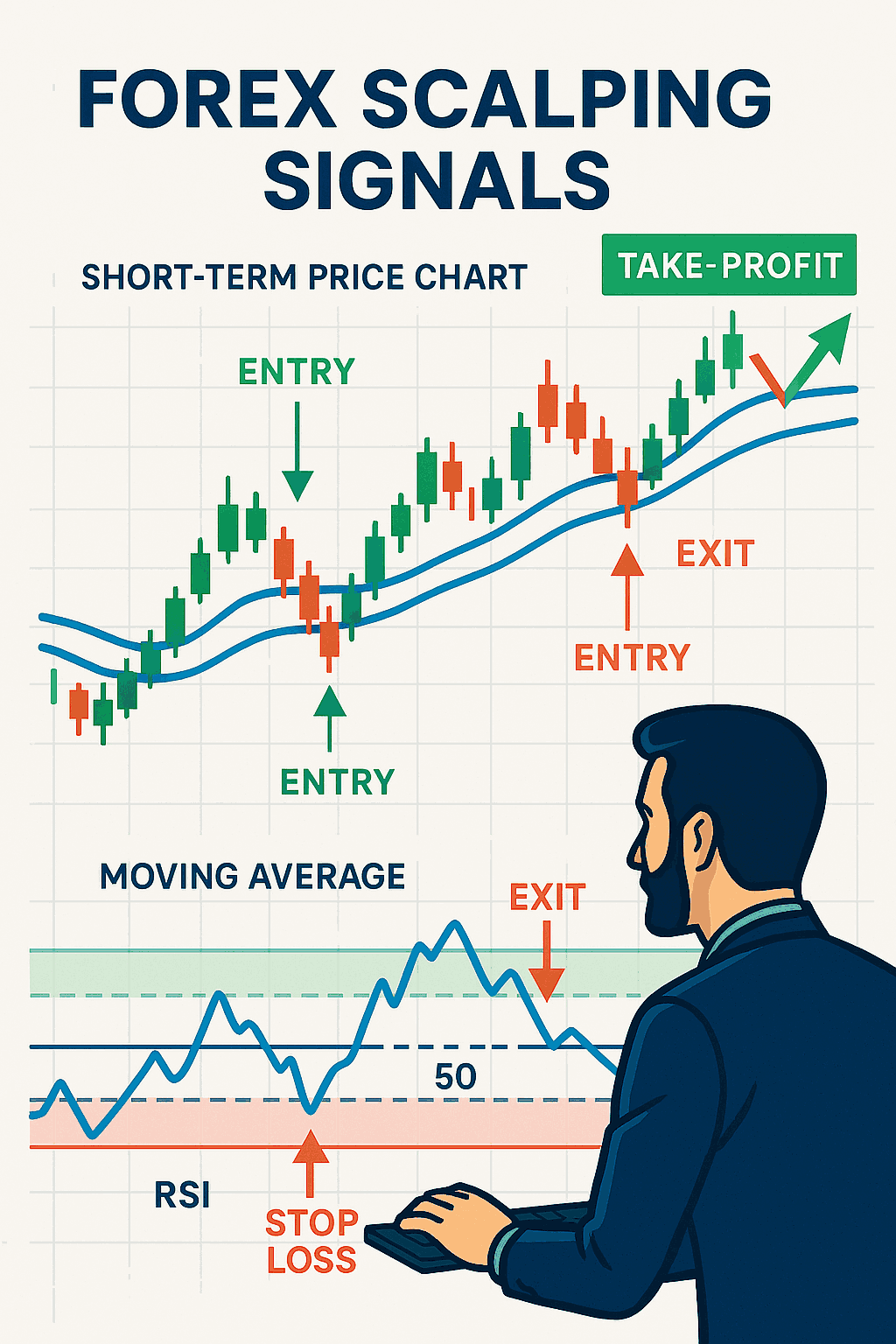
Scalping signals are short-term trading alerts generated by technical indicators, automated systems, or experienced traders. They highlight potential trade opportunities based on price action, momentum, or market patterns. Signals can indicate:
- Entry points for long or short positions
- Suggested stop-loss and take-profit levels
- Market conditions favorable for scalping
Traders use these signals to make rapid decisions, often holding positions for only a few minutes or seconds.
Why Scalping Is Effective
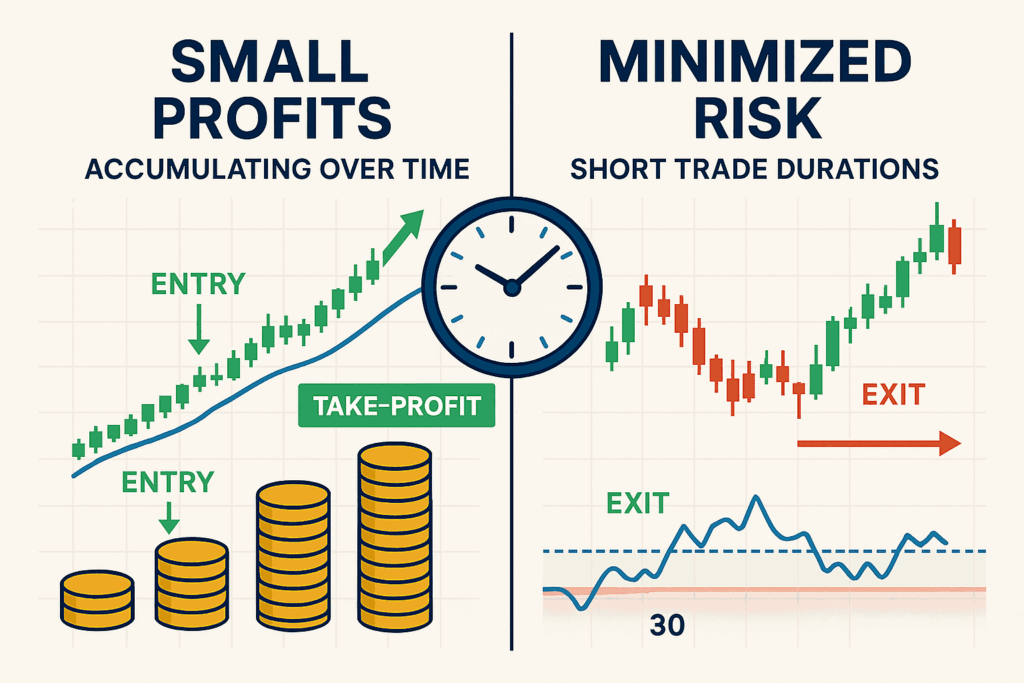
Scalping leverages short-term volatility, offering several advantages:
- Quick Profit Potential – By targeting small price movements repeatedly, traders can accumulate profits without needing large market swings.
- Reduced Exposure – Holding trades for short durations minimizes the risk of unexpected events impacting positions.
- Frequent Opportunities – Active markets, particularly during London and New York sessions, provide multiple entry points for scalpers.
However, the fast-paced nature of scalping demands discipline, quick decision-making, and effective risk management.
Key Strategies for Using Scalping Signals
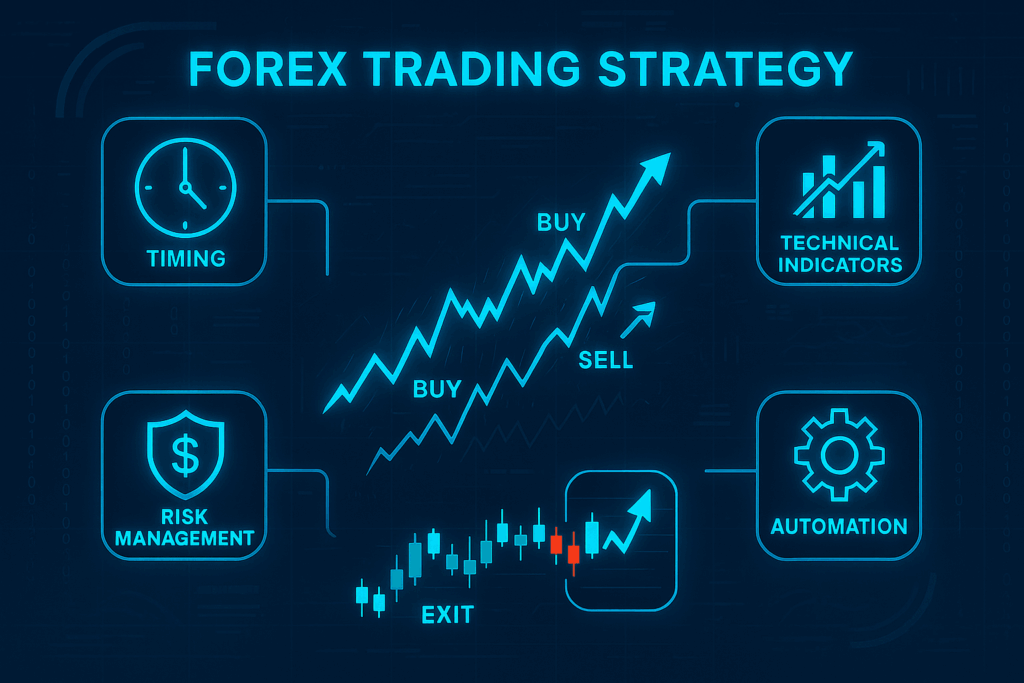
- Timing and Session Selection – Scalping works best during high-liquidity periods, such as the London or New York sessions. Price movements are more predictable and less prone to erratic spikes during these times.
- Technical Indicators – Popular tools include moving averages, Bollinger Bands, and RSI to generate entry and exit signals. For example, a short-term moving average crossover may signal a quick entry for a scalp trade.
- Risk Management – Scalpers often use tight stop-loss orders to protect capital from sudden reversals. Position sizes should be small relative to account balance to mitigate risk from multiple rapid trades.
- Automated Scalping Signals – Many traders rely on bots or signal services that provide real-time alerts. These tools can speed up decision-making, ensuring traders enter trades immediately as conditions are met.
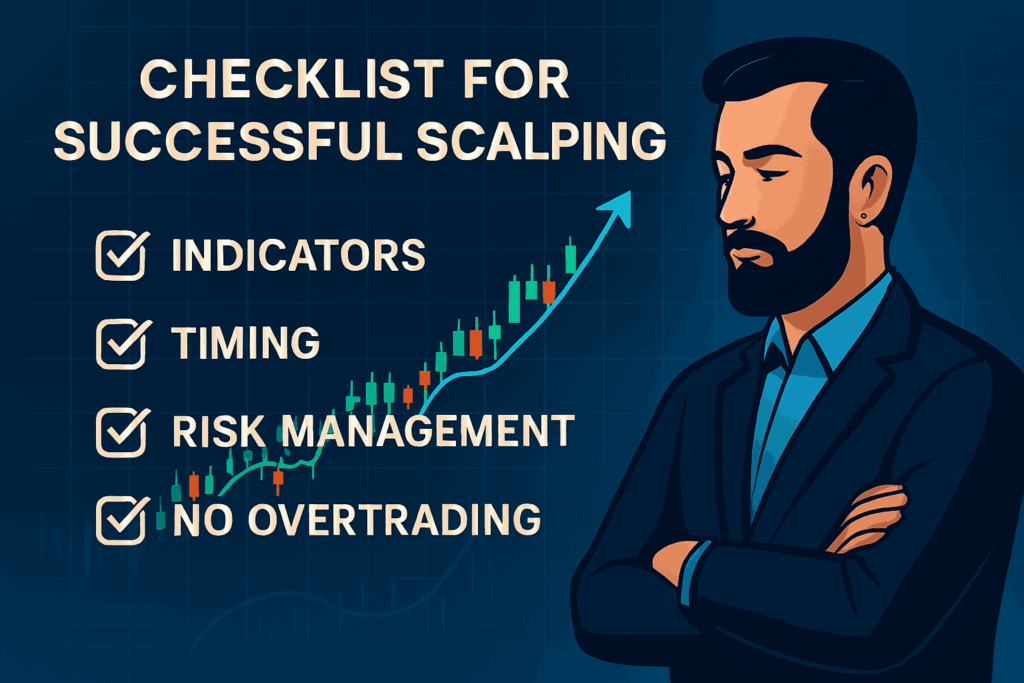
- Avoid Overtrading – Scalping is demanding. Traders should follow signals strictly and avoid emotional or impulsive trades. Overtrading can erode profits quickly.
Practical Example

Imagine a trader scalping EUR/GBP during the London session. The trader receives a scalping signal indicating a short-term bullish move based on a moving average crossover. Acting immediately, the trader enters a long position with a tight stop-loss below recent support. Within minutes, the price rises slightly, hitting the take-profit level. The trader closes the trade, securing a small but consistent gain. Repeating this process across multiple opportunities during peak market hours can result in substantial accumulated profits over the trading day.
Conclusion
Scalping signals offer forex traders a structured approach to capitalizing on short-term market movements. By combining precise entry and exit points with disciplined risk management, traders can maximize quick profits while minimizing exposure.
Key factors for successful scalping include using the right technical indicators, focusing on high-liquidity sessions, adhering to strict stop-loss rules, and avoiding overtrading. Whether relying on manual signals or automated services, a well-planned scalping strategy can enhance trading performance, enabling traders to exploit the fast-paced nature of the forex market efficiently.