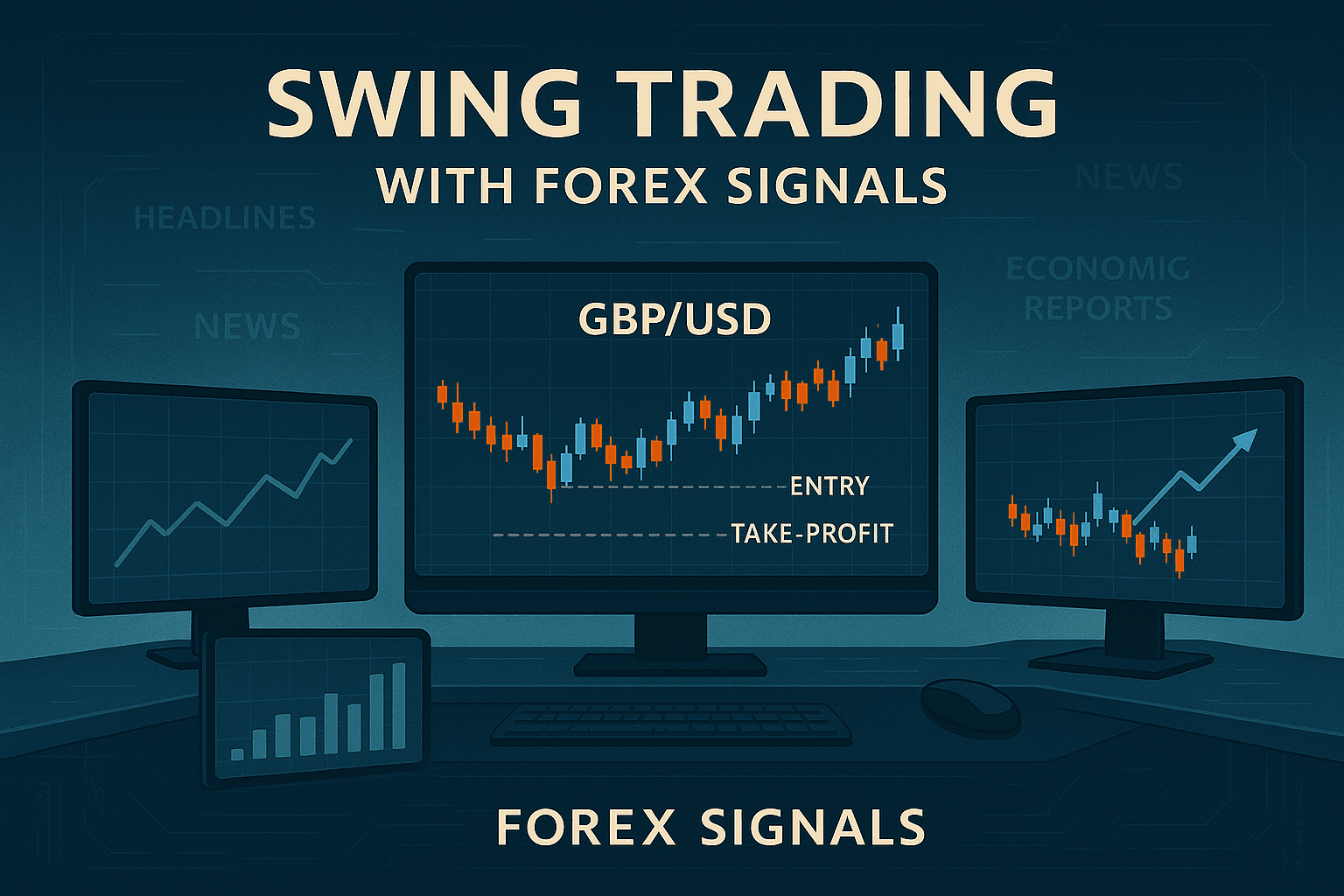
Swing trading is a medium-term trading strategy that seeks to capture price movements over several days to weeks. Unlike scalping, which focuses on quick, small gains, swing trading with forex signals allows traders to ride trends and take advantage of larger price swings. Forex signals tailored for swing trading can help traders identify optimal entry and exit points, reduce analysis time, and improve overall profitability.
What Are Swing Trading Signals?
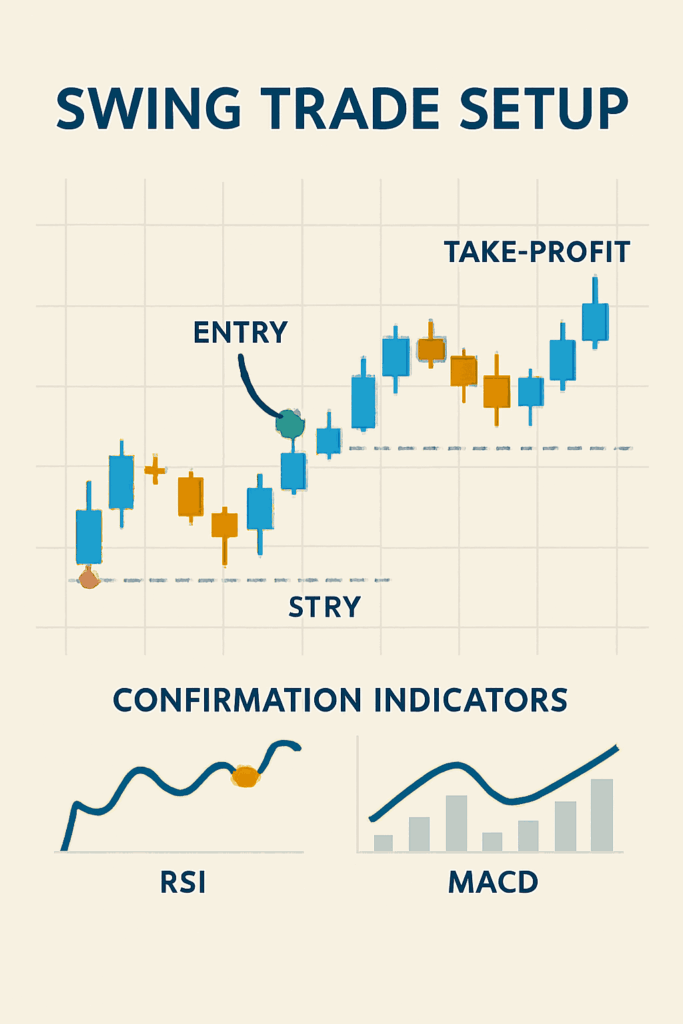
Swing trading signals are alerts that highlight potential trades based on trend analysis, chart patterns, and technical indicators. These signals often include:
- Suggested entry and exit levels
- Recommended stop-loss and take-profit points
- Indicators confirming trend strength or reversal
Signals can be generated by professional traders, automated systems, or algorithmic models. When used effectively, they allow swing traders to focus on high-probability opportunities while avoiding unnecessary trades.
Why Use Swing Trading Signals
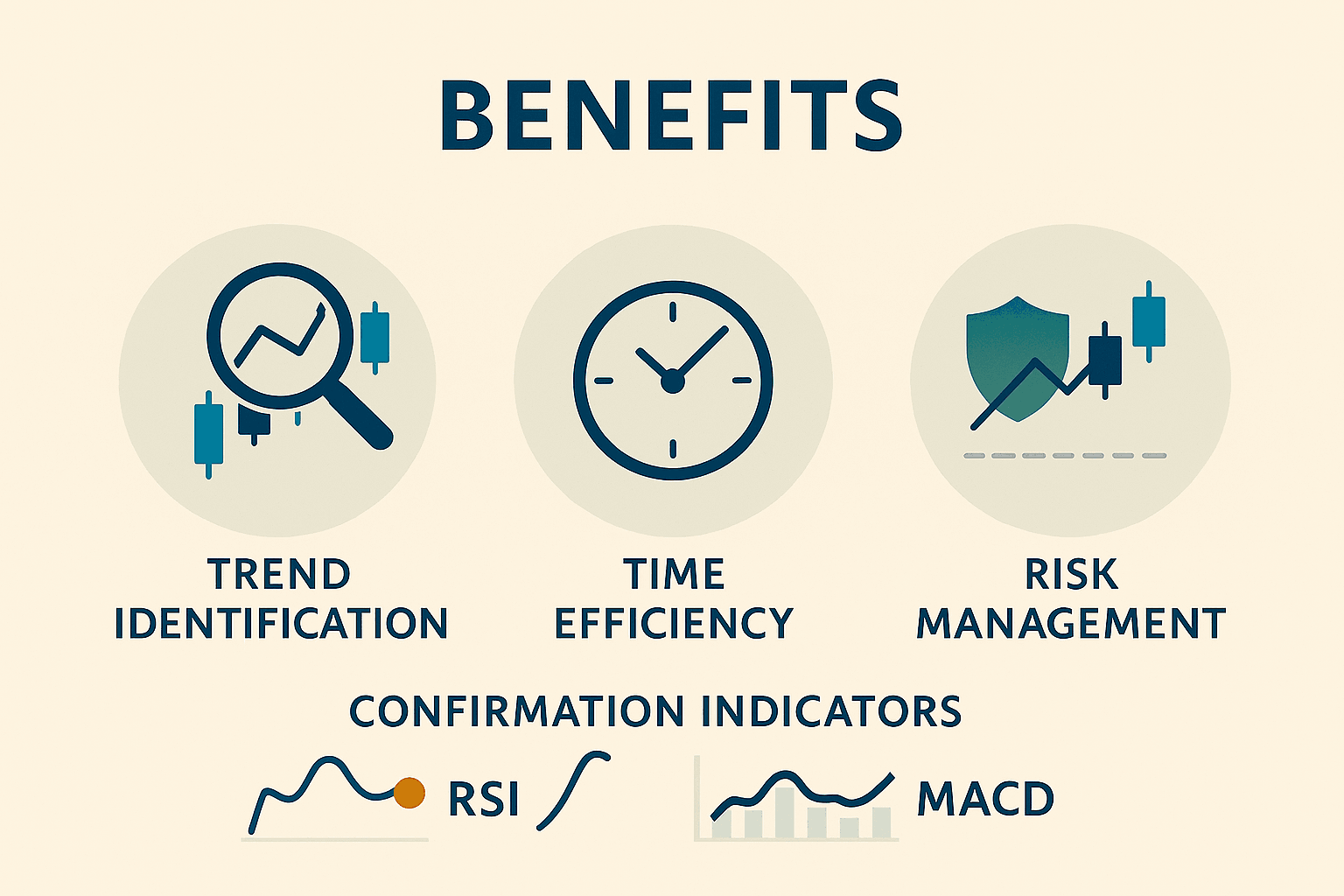
Swing trading signals provide several advantages for forex traders:
- Trend Identification – Signals help traders recognize emerging trends or reversals early, allowing them to enter trades before significant price movements occur.
- Time Efficiency – Traders can rely on signals rather than constantly monitoring the market, which is ideal for those who cannot dedicate full-time attention to trading.
- Risk Management – Many signals include predefined stop-loss and take-profit levels, helping traders limit losses and secure profits.
Step-by-Step Approach to Swing Trading with Signals
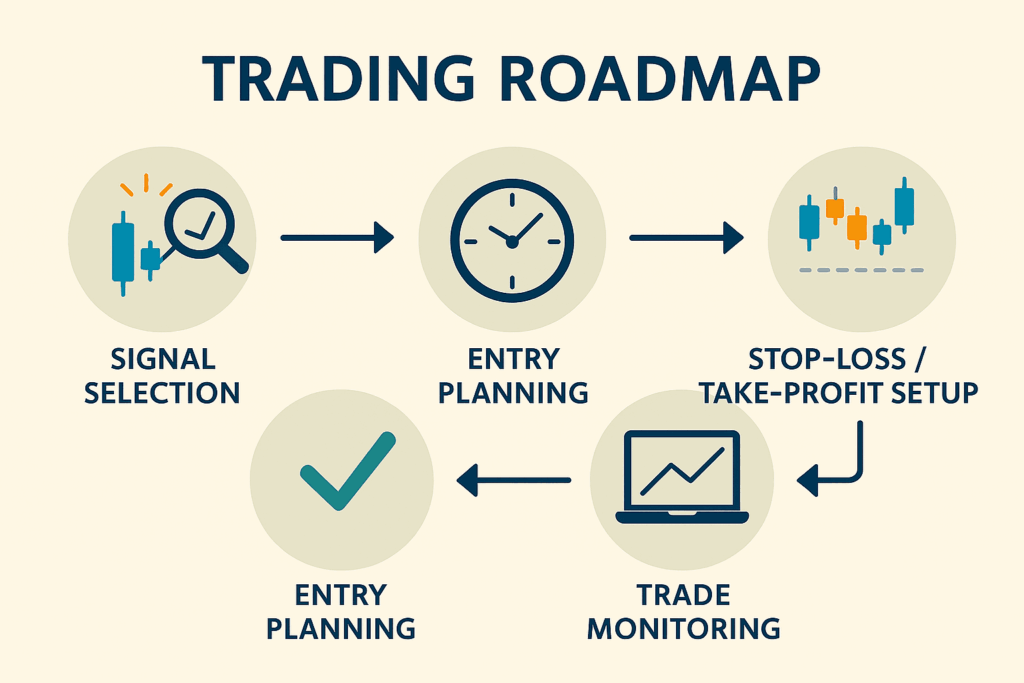
- Signal Selection – Choose a reliable signal provider or system that focuses on swing trading. Accuracy, historical performance, and transparency are critical factors.
- Analyze the Trend – Before entering a trade, confirm the signal by analyzing the overall trend using tools like moving averages, trendlines, and support/resistance levels. Ensure the signal aligns with the prevailing market direction.
- Plan Your Entry – Determine the precise entry point suggested by the signal. Confirm with secondary indicators or chart patterns to increase the likelihood of a successful trade.
- Set Stop-Loss and Take-Profit – Use the signal’s recommendations or calculate levels based on recent swing highs and lows. This step is essential for protecting capital and locking in profits.
- Monitor the Trade – Although swing trading is less time-sensitive than scalping, monitoring is still necessary. Adjust stop-loss levels to secure gains if the market moves favorably.
- Exit the Trade – Close positions at the take-profit level or when market conditions suggest a trend reversal. Discipline in exiting trades is crucial to preserving capital and maintaining profitability.
Practical Example
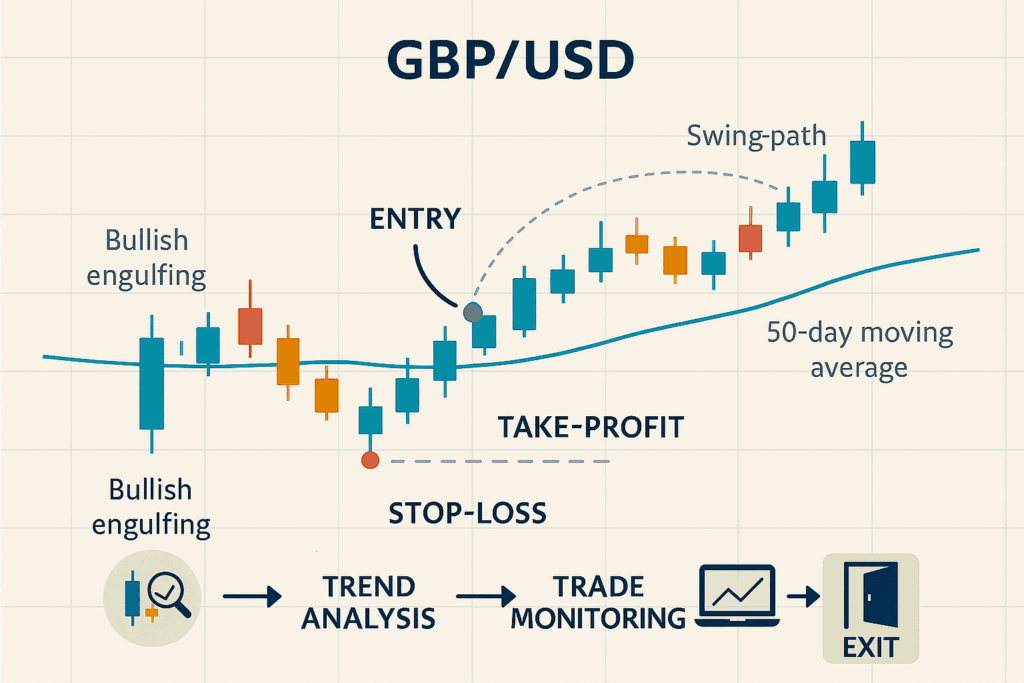
Consider a trader using swing trading signals for GBP/USD. A signal indicates a potential upward movement based on a bullish engulfing pattern combined with a rising 50-day moving average. The trader enters at the suggested entry point, sets a stop-loss just below recent support, and places a take-profit near the next resistance level. Over the next few days, GBP/USD gradually rises, hitting the take-profit target. The trader successfully captures a medium-term price swing without constantly monitoring the market.
Conclusion
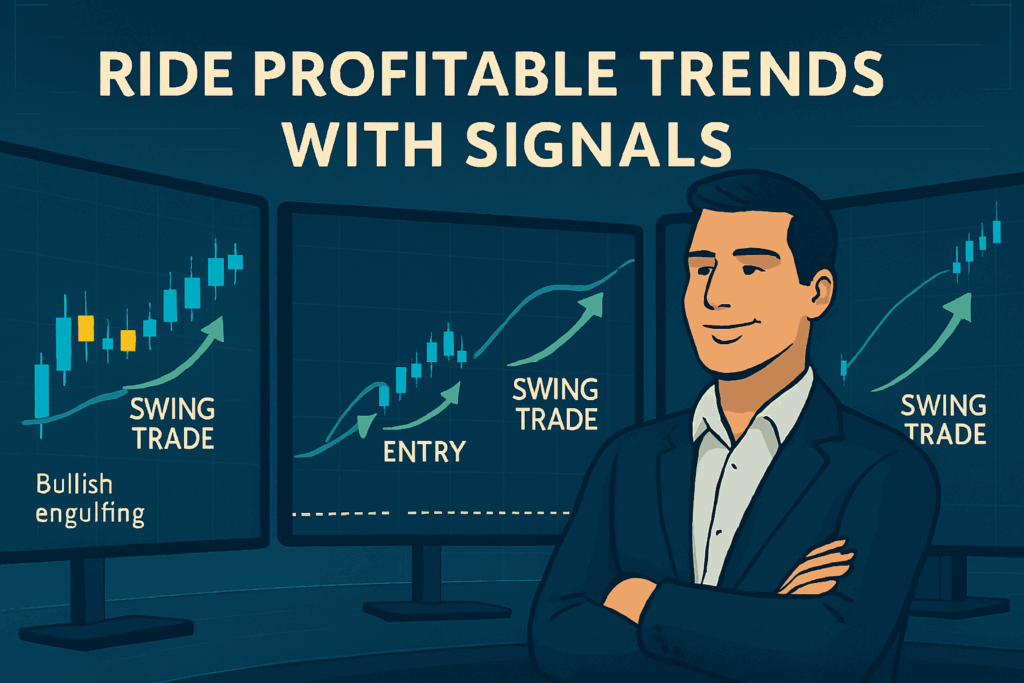
Swing trading with forex signals provides a structured, efficient way to capture medium-term market movements. By carefully selecting reliable signals, confirming trends, and adhering to disciplined risk management practices, traders can enhance their profitability and minimize exposure to sudden market reversals.
Signals streamline the trading process, allowing both part-time and full-time traders to make informed decisions with confidence. Combining technical analysis with high-quality swing trading signals enables traders to ride profitable trends and achieve consistent results in the dynamic forex market.