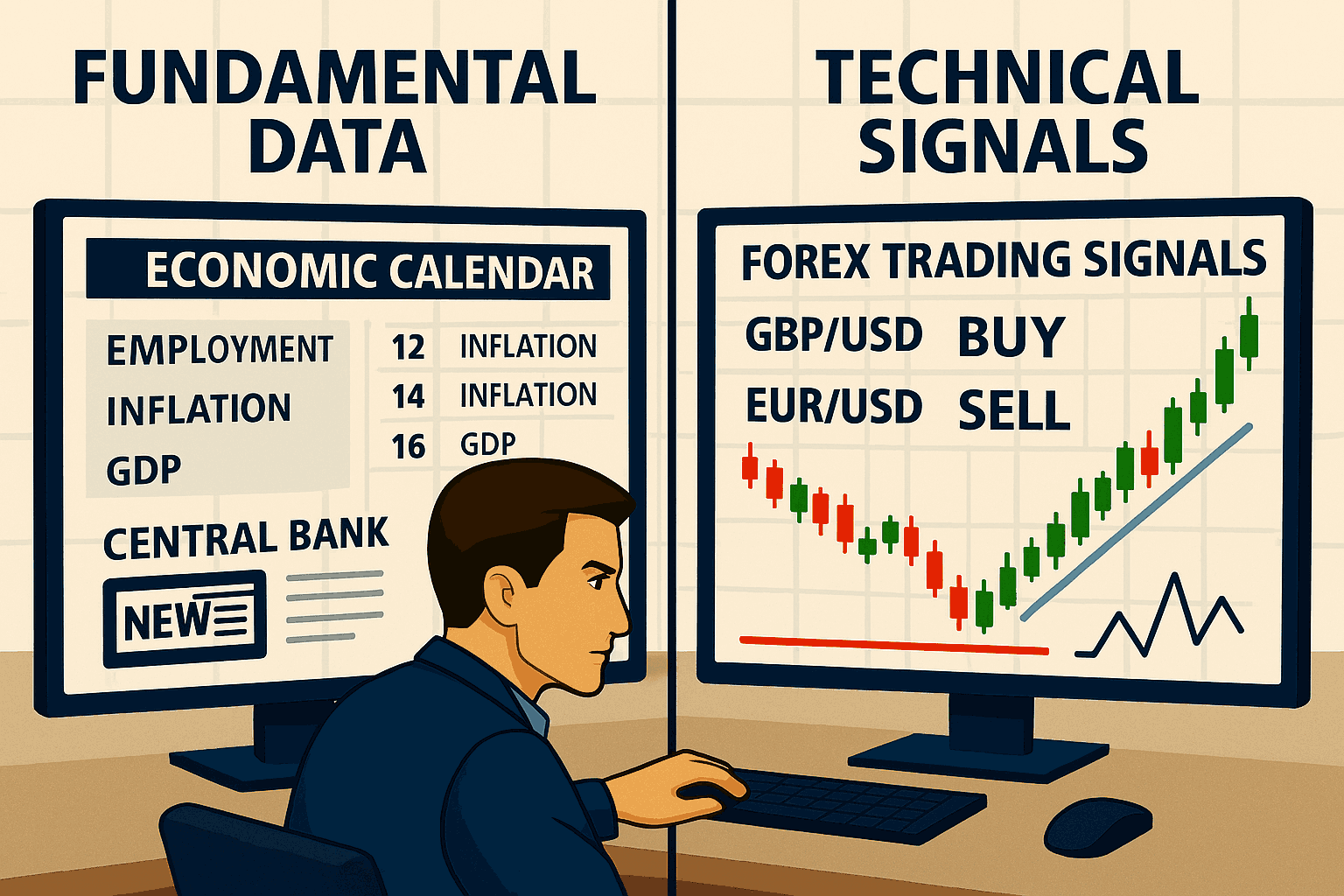
In forex trading, relying solely on technical signals or charts may not always provide a complete picture of market dynamics. Combining fundamental analysis with signal strategies enables traders to understand the “why” behind price movements while leveraging the “when” suggested by signals. This integrated approach can improve trade accuracy, reduce risks, and enhance overall profitability.
What Is Fundamental Analysis?
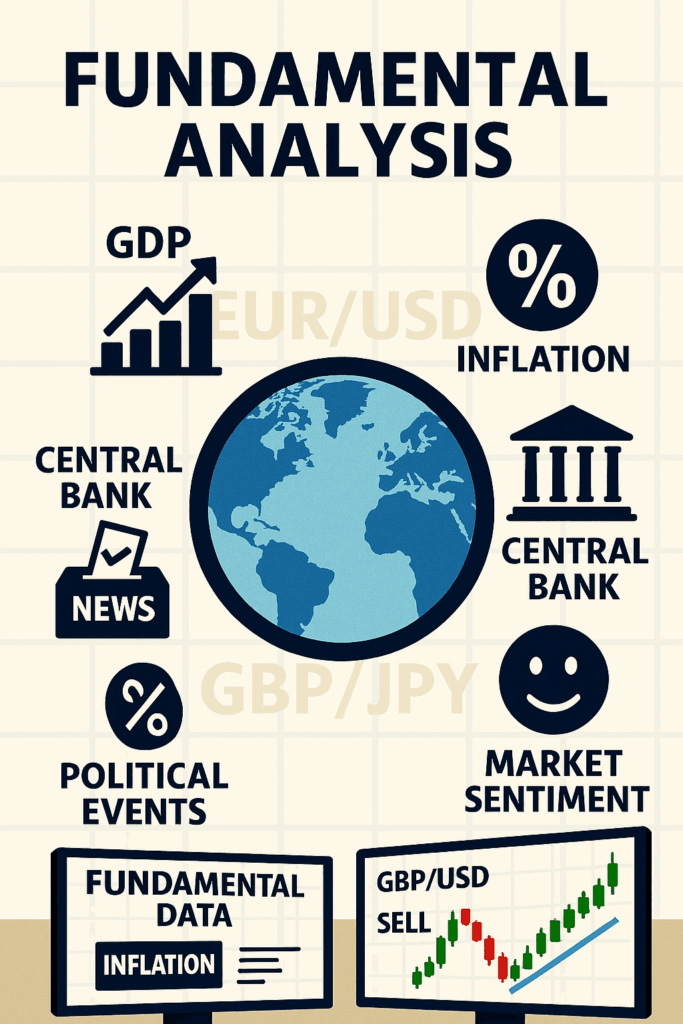
Fundamental analysis examines economic, political, and social factors that influence currency values. Key aspects include:
- Economic Indicators – GDP, inflation, unemployment, trade balance, and retail sales reports.
- Central Bank Policies – Interest rate decisions, forward guidance, and quantitative easing programs.
- Political Developments – Elections, fiscal policies, and geopolitical tensions affecting currency stability.
- Market Sentiment – Investor confidence, risk appetite, and cross-market correlations.
By analyzing these factors, traders can anticipate currency trends, identify potential market reversals, and avoid trading during high-risk periods.
Why Combine Fundamental Analysis with Signals
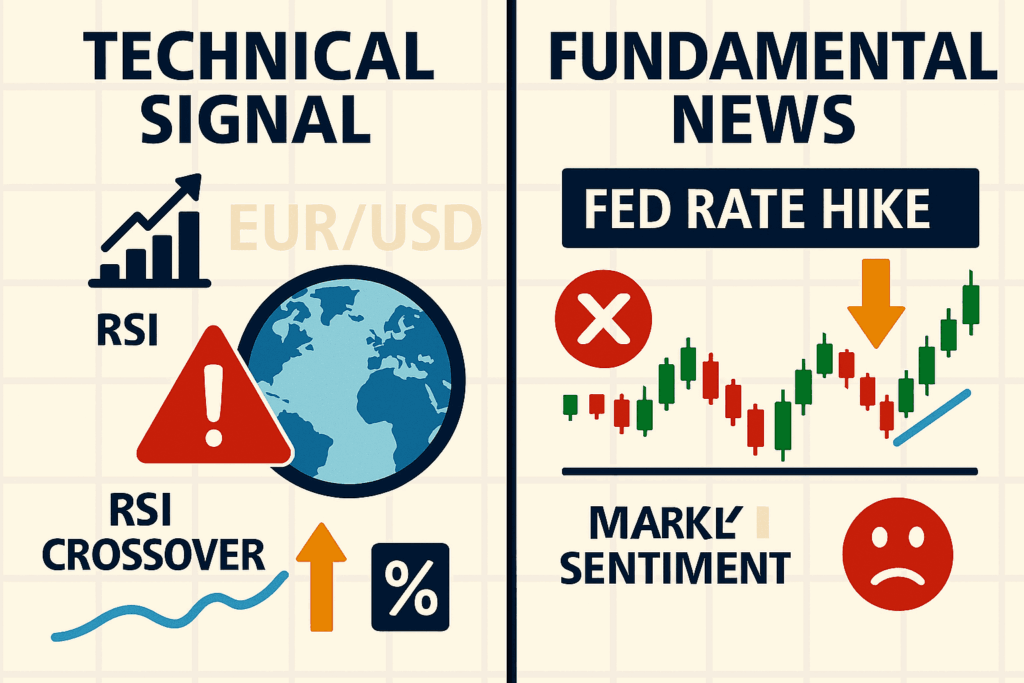
Signal strategies, whether manual or automated, provide timely entry and exit points based on technical triggers. However, without understanding the underlying fundamental context, traders may:
- Enter trades against major economic trends
- Misinterpret temporary market noise as a trend
- Face unexpected volatility during key releases
Integrating fundamental analysis ensures that signal-based trades align with broader market forces, increasing the probability of successful outcomes.
Step-by-Step Approach to Integration
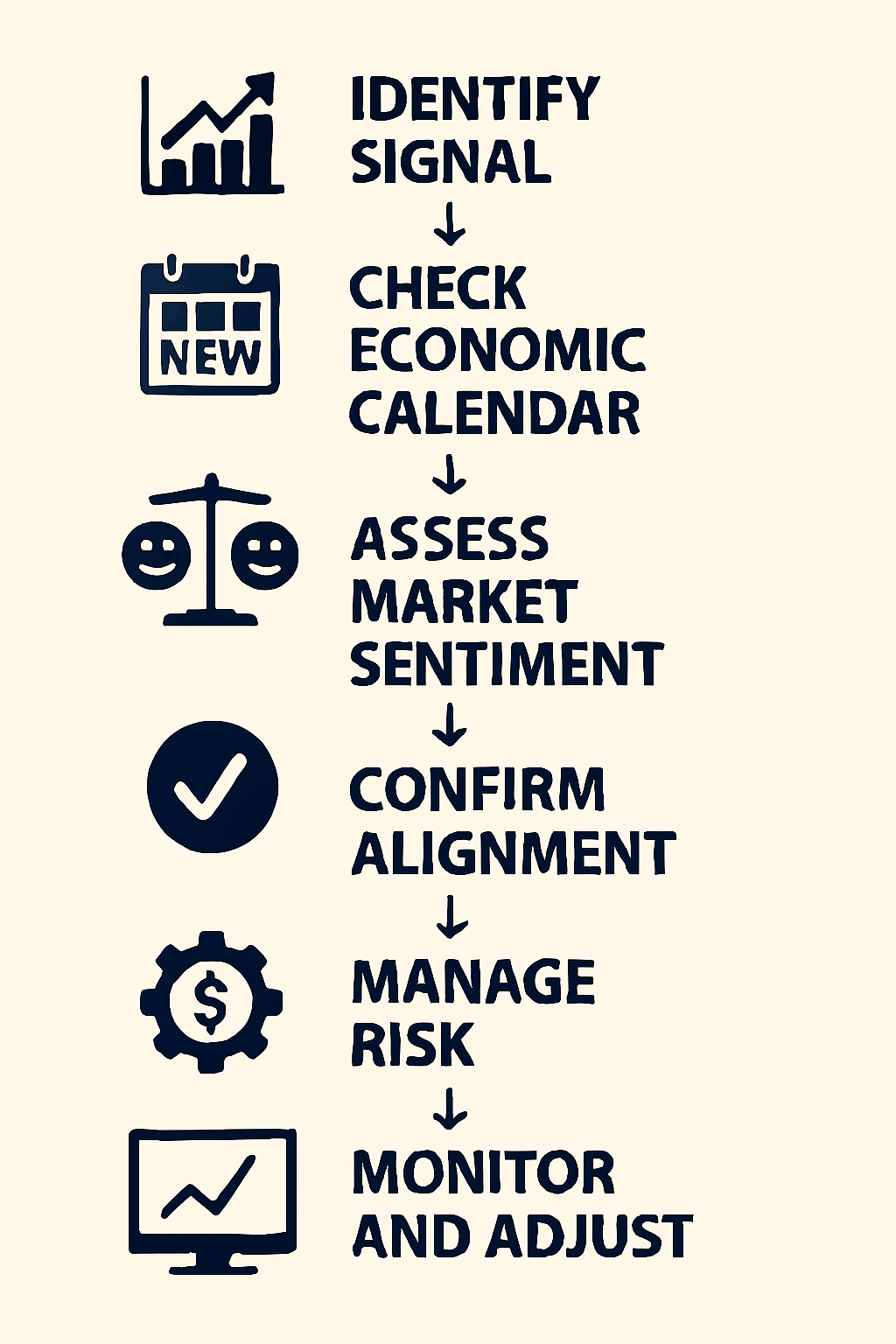
- Identify Key Signals – Use reliable forex signals to determine potential trade opportunities. These signals can come from technical indicators, automated bots, or expert analysts.
- Check the Economic Calendar – Before acting on a signal, review upcoming economic releases or geopolitical events that could affect the currency pair. For example, a strong US Nonfarm Payroll report can heavily influence USD pairs, potentially overriding technical signals.
- Assess Market Sentiment – Analyze whether the market is risk-on or risk-off. Fundamental shifts in sentiment, such as changes in equity markets or commodity prices, often impact currency volatility and can validate or invalidate a signal.
- Confirm Alignment – Only take trades where the signal aligns with the fundamental outlook. For instance, if a bullish signal appears for EUR/USD but upcoming ECB data suggests tightening risks, it may be prudent to wait or adjust position size.
- Manage Risk – Set stop-loss and take-profit levels based on both technical indicators and fundamental expectations. This dual approach helps protect capital from sudden reversals during news releases.
- Monitor and Adjust – Even after entering a trade, stay aware of fundamental developments. If new data or announcements contradict the initial trade thesis, consider closing or adjusting positions.
Practical Example
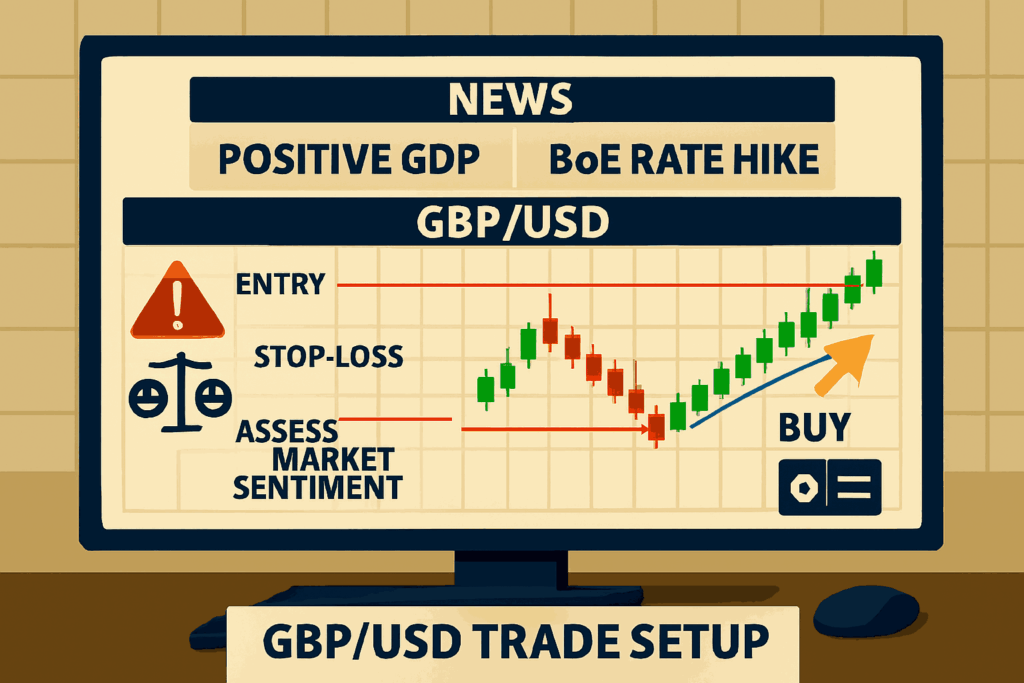
Imagine a trader receives a buy signal for GBP/USD based on a moving average crossover. Simultaneously, fundamental analysis reveals that the Bank of England plans to raise interest rates, while UK GDP data exceeds expectations. The alignment of both technical and fundamental factors strengthens the trade rationale. The trader enters the position, sets stop-loss below recent support, and takes profit near key resistance levels. By combining both approaches, the trader increases the probability of a successful swing while managing potential risks.
Conclusion
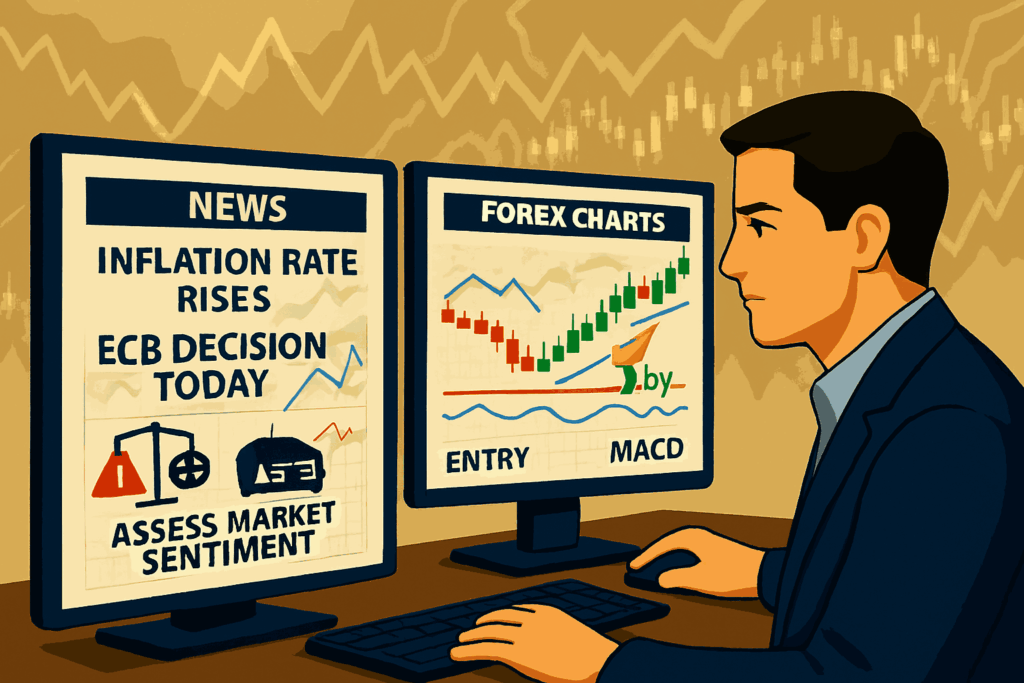
Integrating fundamental analysis with signal strategies provides a more holistic approach to forex trading. While signals indicate optimal timing, fundamental analysis explains the market forces behind price movements. This combination allows traders to make informed decisions, avoid trades that contradict broader trends, and capitalize on high-probability setups.
Traders who master this dual approach can achieve consistent results, better navigate volatility, and improve overall profitability. By aligning technical precision with fundamental insights, forex trading becomes both strategic and informed.