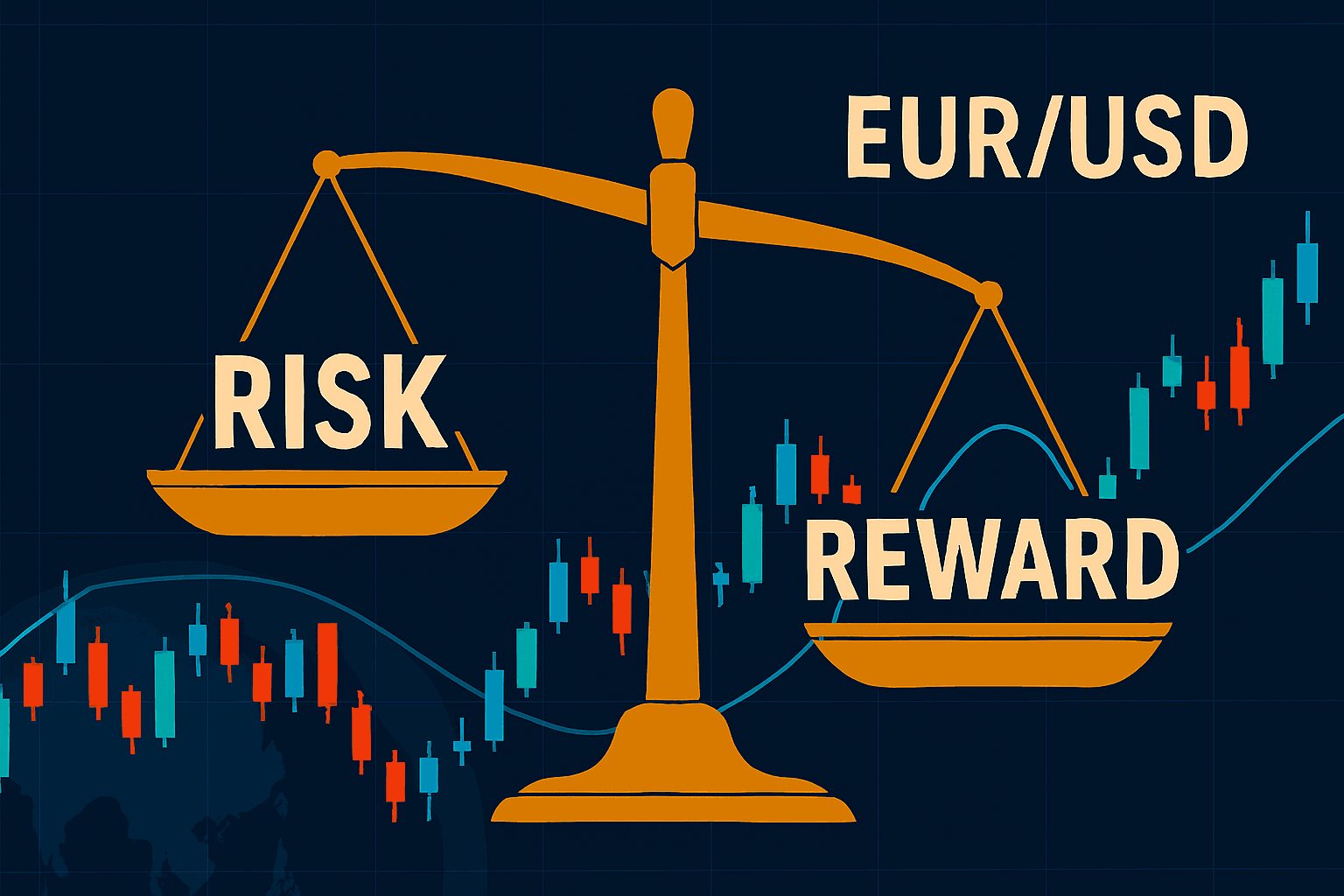
In forex trading, consistent growth requires balancing opportunities with risk management. Risk-adjusted signal strategies combine technical signals with carefully measured position sizing and risk controls to help traders achieve sustainable profits. By focusing not only on high-probability trades but also on managing potential losses, traders can build a long-term approach that minimizes drawdowns and maximizes capital preservation.
What Are Risk-Adjusted Signal Strategies?
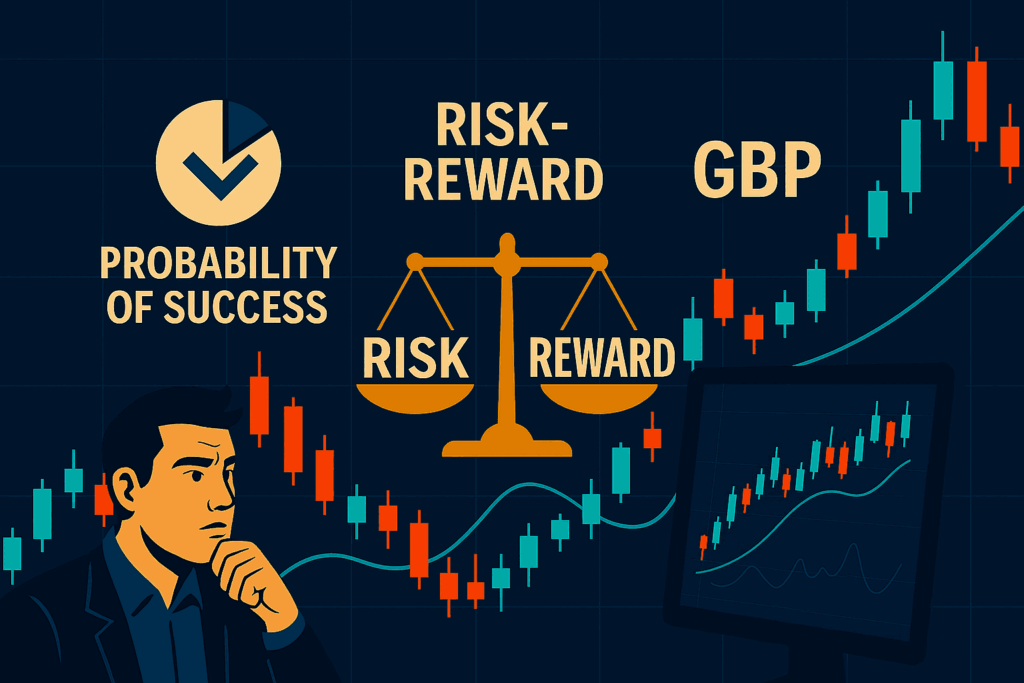
Risk-adjusted signal strategies involve evaluating trading opportunities based on their potential reward relative to the risk involved. Instead of blindly following every signal, traders analyze:
- Probability of Success – How likely is the signal to generate a profitable move?
- Risk-Reward Ratio – Does the potential gain justify the potential loss?
- Market Conditions – Are current volatility levels and liquidity favorable for the trade?
By incorporating these considerations, traders can prioritize signals that offer a better chance of consistent growth rather than chasing every opportunity.
Key Principles of Risk-Adjusted Signal Trading
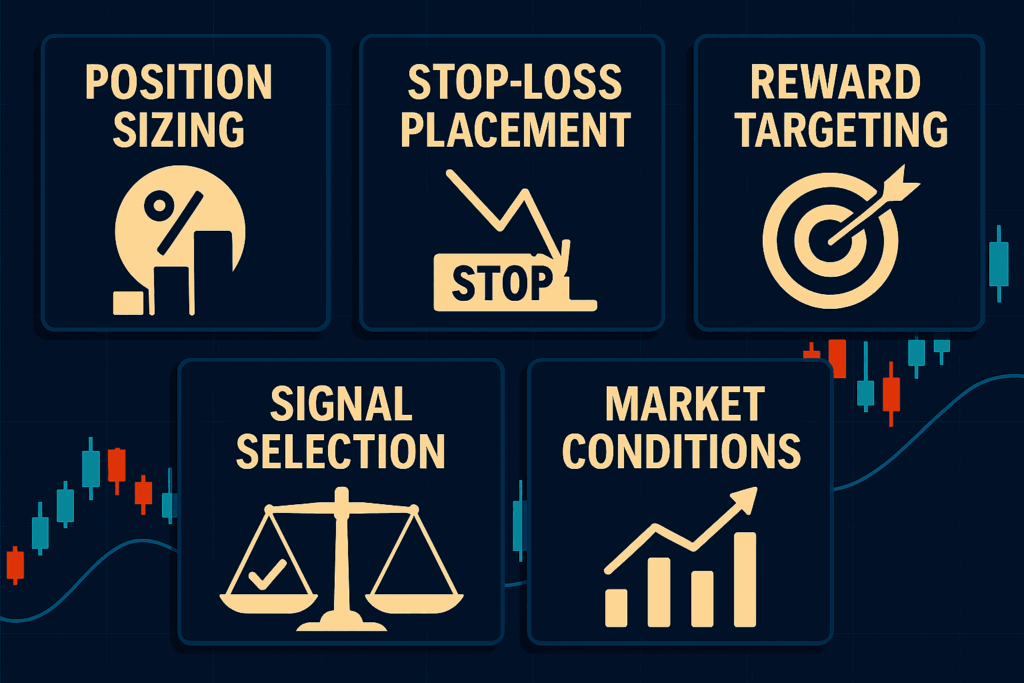
- Position Sizing – Adjust trade sizes according to account balance and volatility. Risking a fixed percentage of capital on each trade ensures that a single loss does not significantly impact the overall portfolio.
- Stop-Loss Placement – Determine stop-loss levels based on technical support/resistance, ATR (Average True Range), or other volatility measures. Proper stops protect against unexpected market swings while allowing enough room for normal price fluctuations.
- Reward Targeting – Define take-profit levels that align with realistic market expectations. A favorable risk-reward ratio, such as 1:2 or 1:3, ensures that profits from winning trades outweigh losses from unsuccessful ones.
- Selective Signal Adoption – Not all signals are equal. Focus on those with historical reliability and compatibility with current market conditions. Avoid signals during low liquidity periods or before high-impact economic events.
- Diversification – Apply signals across multiple currency pairs to reduce dependency on one market. This strategy spreads risk and improves the chance of steady portfolio growth.
Implementing Risk-Adjusted Signal Strategies
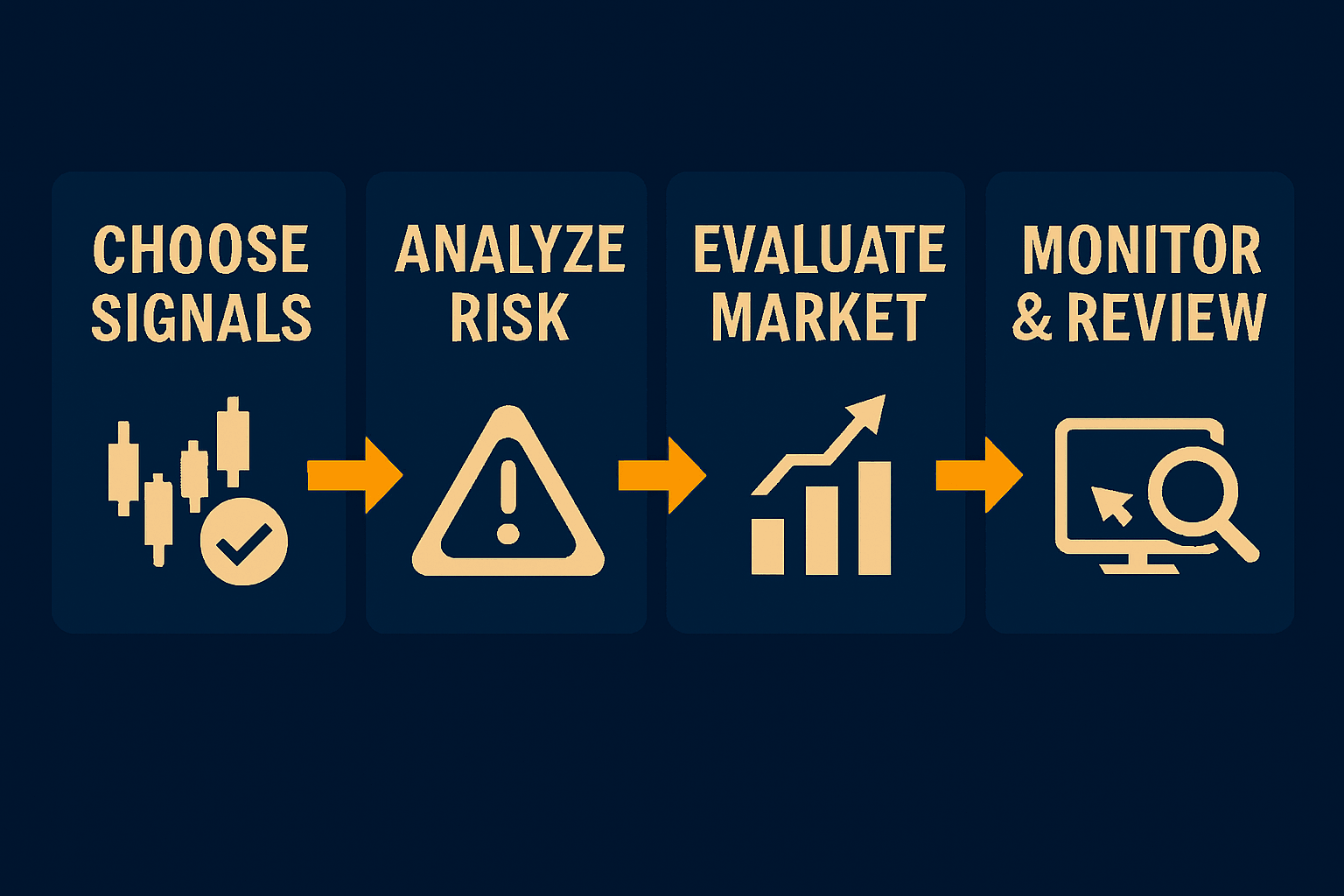
Step 1: Choose Reliable Signal Sources
Select trustworthy providers or automated systems with a proven track record. Verify their accuracy and past performance before committing real capital.
Step 2: Analyze Risk Parameters
For each signal, calculate the potential loss if the stop-loss is triggered. Determine position size based on a fixed percentage of trading capital, typically 1–2%.
Step 3: Evaluate Market Context
Assess volatility, economic events, and market trends to ensure the signal is suitable for current conditions. Avoid trading signals that conflict with major fundamental events or strong trends against your position.
Step 4: Execute with Discipline
Follow the signal precisely, enter at the recommended level, and use stop-loss and take-profit orders. Avoid adjusting trades based on emotion or speculation.
Step 5: Monitor and Review
Keep a record of all trades and outcomes. Analyze wins and losses to refine future risk-adjusted strategies, improving both accuracy and capital preservation over time.
Practical Example
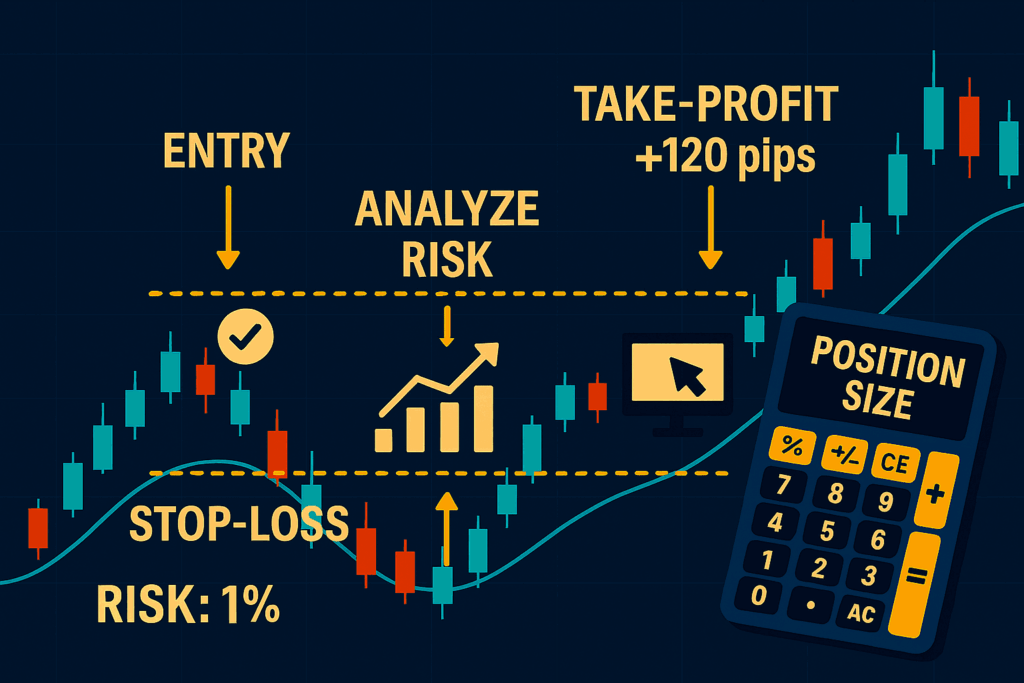
A trader receives a buy signal for EUR/USD with a recommended stop-loss 50 pips below the entry. The take-profit is set at 120 pips above. With a 1% risk of account balance per trade, the position size is calculated accordingly. If the trade wins, the reward significantly exceeds the risk, and if it loses, the loss is controlled. By consistently applying this method across multiple signals, the trader steadily grows capital while minimizing drawdowns.
Conclusion

Risk-adjusted signal strategies are essential for achieving consistent growth in forex trading. By combining technical signals with disciplined risk management, traders can protect capital, navigate market volatility, and improve the probability of long-term success.
Traders who adopt this approach focus on quality over quantity, making informed decisions based on both market conditions and personal risk tolerance. Over time, a well-executed risk-adjusted signal strategy provides a sustainable framework for profitable forex trading.